
Key Takeaways
- Assisted living communities provide a balance of emotional support and physical care (medication reminders, fitness classes) to improve overall well-being.
- Shared meals, interest-based clubs, and common lounges offer built-in social connections, making it easy to form meaningful friendships and fight loneliness.
- With maintenance-free living, residents can save time and energy, as the community handles daily chores such as housekeeping, laundry, and home maintenance.
- Specialized care options provide personalized support for unique needs, including comprehensive memory care and short-term respite stays.
As you explore options for yourself or a loved one, understanding how a new living environment can support overall well-being is important.
Assisted living communities are designed to provide a balance of independence and support. They offer a setting where residents can remain active, build new friendships, and receive assistance with daily tasks, all contributing to a fulfilling lifestyle.
Assisted living communities can enhance quality of life by providing a supportive environment, fostering social connections, and offering services that promote an engaging lifestyle.
A Supportive Environment for Health and Well-Being
One of the primary ways assisted living contributes to well-being is by creating an environment that supports both physical and emotional health. Moving from living alone to a community setting often has a noticeable positive effect.
Support for Physical Health
Staying active and healthy is made simpler with programs and services tailored to residents’ needs, including:
- Access to fitness classes like yoga or walking groups
- Well-balanced meals in a shared dining setting
- Help with medication reminders and personal care
Fostering Emotional and Mental Wellness
Taking care of emotional well-being is just as vital as physical health. When your loved one lives in a community with peers, there’s always a friendly face nearby, making socializing comfortable and relaxed.
Feeling confident that support and companionship are available 24/7 can bring peace of mind to residents and their families alike.
Built-in Opportunities for Social Connection
Social engagement is a key part of a vibrant life. Assisted living communities are structured to make meeting new people and building friendships a natural part of the day.
Connecting Over Meals
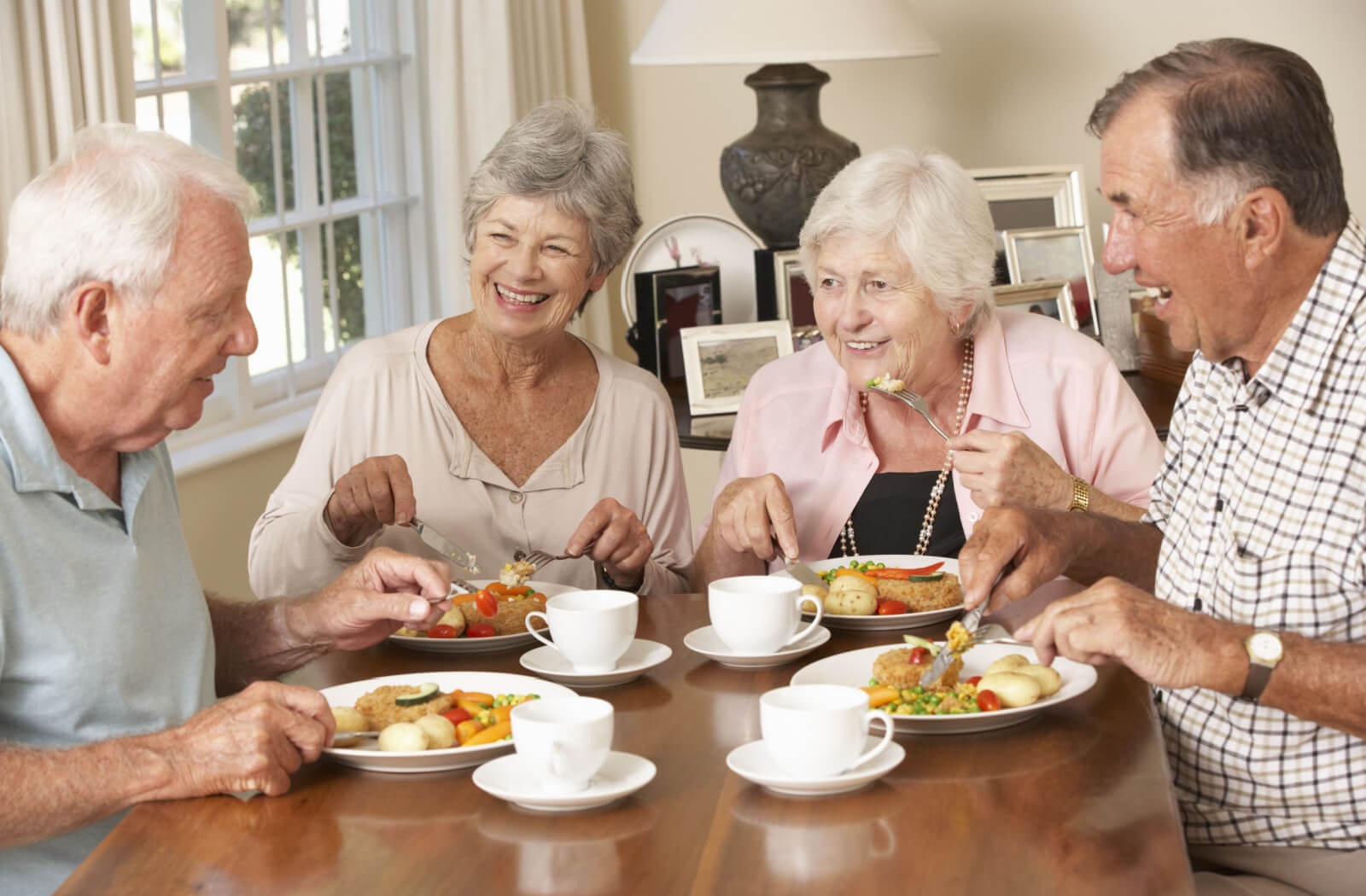
Meals are a time for more than just eating—they’re a time for conversation and connection. Dining rooms encourage residents to sit together and share stories. These daily gatherings help form friendships in a relaxed, communal setting.
Group Activities and Clubs
A full calendar of engaging activities and events helps residents connect over shared interests. These may include:
- Arts and crafts sessions
- Puzzle and game nights
- Book clubs
- Music groups
- Gardening clubs
Common Spaces for Casual Interaction
Lounges, libraries, and outdoor patios serve as gathering spots where casual conversations can spark. These informal interactions often grow into meaningful friendships over time. It’s these simple, daily moments that help build a strong sense of community.
Services Designed for Convenience and Support
Beyond social opportunities, the services offered in a senior living community are tailored to improve daily life. These services handle many of the chores of homeownership. Your loved one can enjoy more free time to pursue their interests.
Help with Daily Living
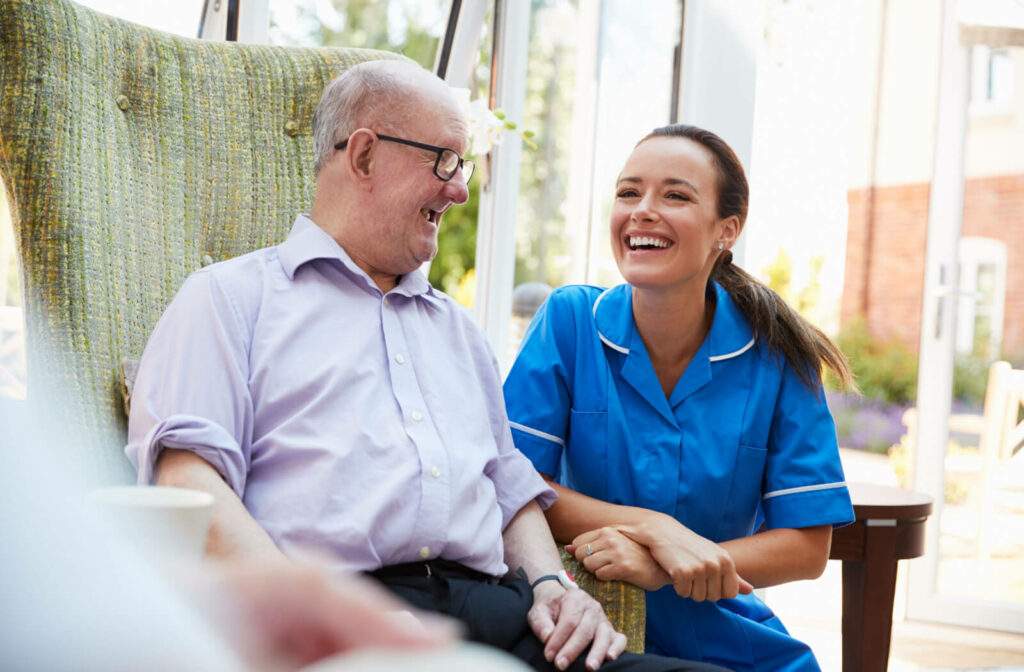
Trained team members can help with various activities of daily living, including personal care, housekeeping, and laundry. Their support allows residents to maintain their independence while getting the assistance they need. It’s all about finding the right balance for each person.
Coordinated Transportation
Many communities offer transportation for group outings to local shops, museums, and events. It’s a convenient way to stay connected to the broader community. It also removes the challenges of driving and navigating on your own.
Specialized Support When Needed
For those who may need a higher level of assistance, some communities offer different types of care.
Dementia care provides a structured environment for individuals with cognitive changes. And respite care offers a short-term stay option, which can be a helpful way to experience community life.
Tips for Building Friendships and Staying Engaged
Adjusting to a new community takes time, but there are simple ways to start building connections and getting involved. A welcoming atmosphere makes this process easier for everyone.
Taking the First Step
Starting a new chapter is an opportunity for new connections. Here are a few simple ways to begin:
- Be open to conversation with a simple hello in the hallway or at mealtime
- Show genuine interest in others’ stories to help build strong bonds
- Share your interests and hobbies to find others with similar passions
The Role of Family and Technology
No matter where you live or the distance between you, family involvement is a meaningful part of a person’s social life. Regular visits and attending community events together can make the transition smoother. Decide on a visiting schedule that works for you and your loved one.
Staying connected is a key part of healthy aging. Technologies like video calls also make it easy to keep in touch with loved ones who live far away.
A Community That Encourages Connection and Growth
A positive assisted living experience is about more than just a place to live—it’s about being part of a community.
By offering a variety of social programs and supportive services, these communities help people maintain an active and engaging lifestyle. The combination of independence, support, and friendship helps create an environment where older adults can continue to thrive.
At Inspired Living at Lakewood Ranch, we foster new connections while nurturing the mind, body, and spirit. We believe that promoting a healthy lifestyle means supporting each resident’s unique journey.
If you’re ready to learn more about how our community supports a vibrant lifestyle, schedule a tour today to see our approach firsthand.